AggNexus 2026 Recap: AI That Earns Trust

Director of Marketing
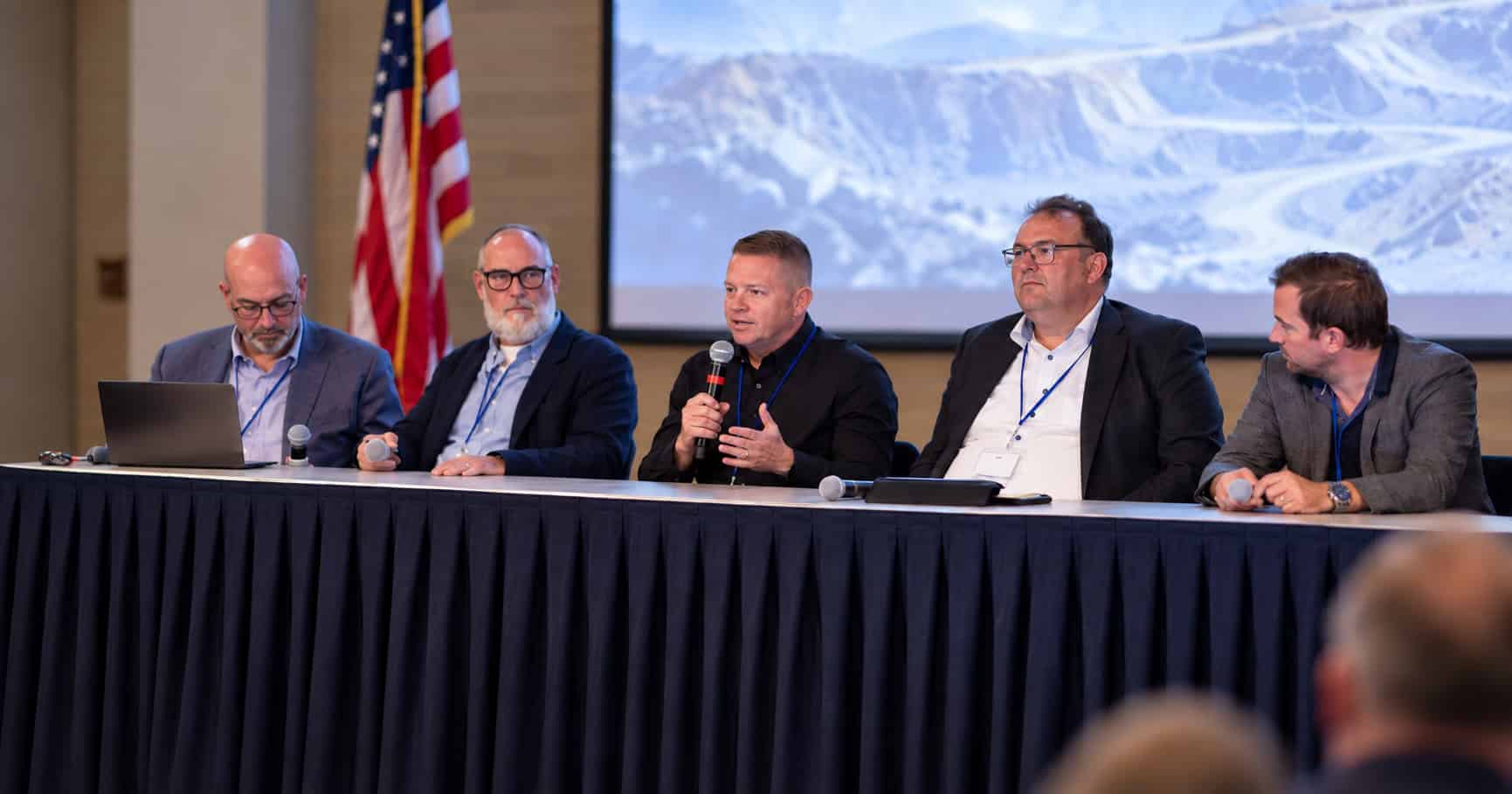
Practical AI has to earn trust. Dispatch360 reflects on the operations, data, workforce, and technology discussions at AggNexus 2026.
Editor’s note: This recap was prepared from event recordings, event materials, and post-event conversations with Bill Callahan Jr. and Tommy Oversmith.
Before AggNexus 2026, we shared why the event mattered to Dispatch360: it put practical AI, operational experience, and the future of construction-materials operations in the same conversation.
Now that the event is behind us, the conversations lived up to that expectation.
AI was one of the biggest topics at AggNexus 2026. But the most useful discussions were not about using AI because it is new. They were about using technology to solve operational problems, reduce manual effort, and give experienced people better information when it matters.
For construction-materials operations, that can mean understanding why a truck is delayed, where loading time is drifting, what a sensor signal may reveal about equipment health, or how a dispatcher can respond before an exception becomes a customer-service problem.
That was the theme running through AggNexus in Austin: practical technology should help people make better decisions. It should not replace the people who understand the work.
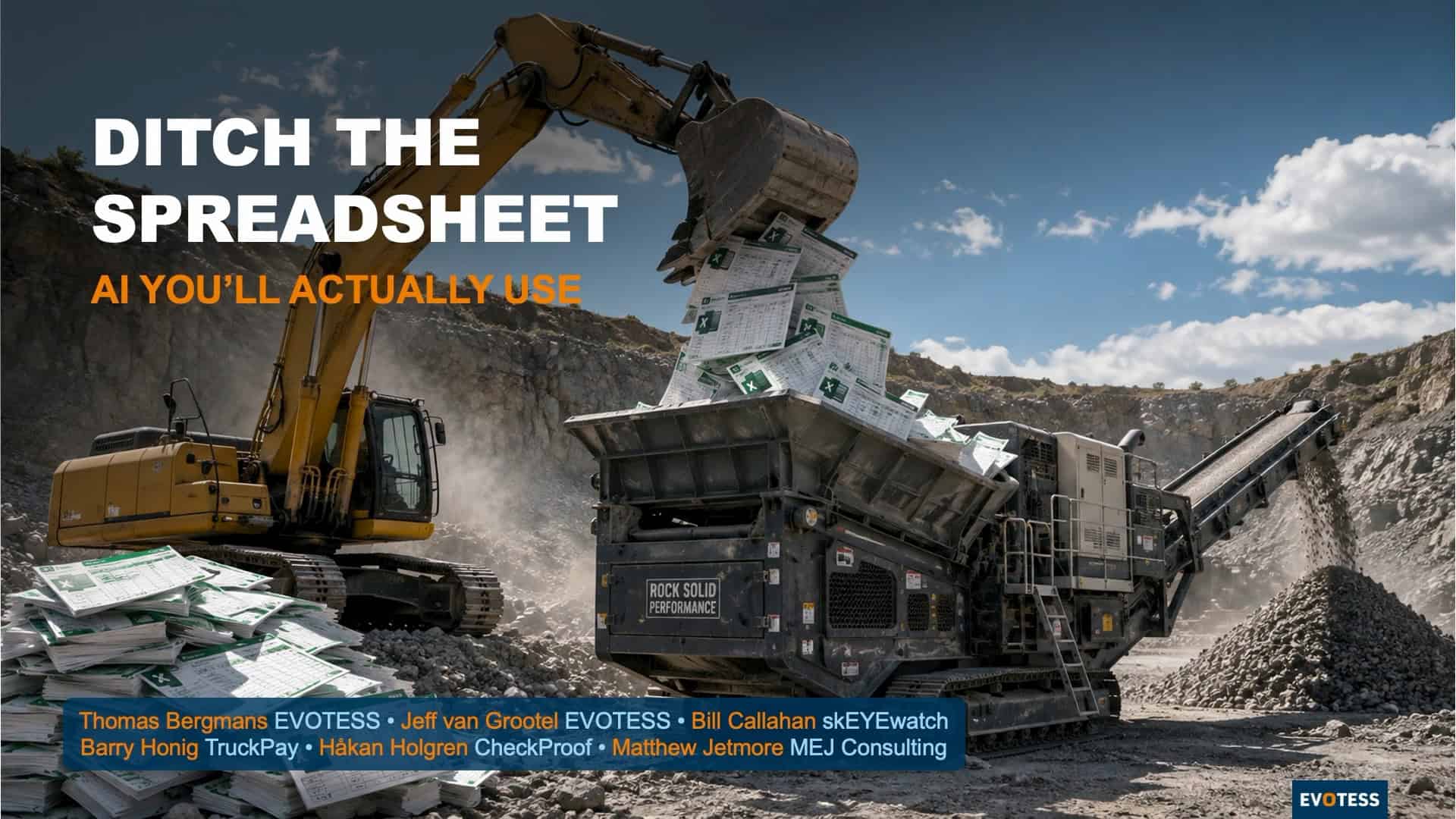
Bill Callahan Jr., co-founder and CEO of skEYEwatch, represented the company in two of the event’s most timely conversations: “Ditch the Spreadsheet: AI You’ll Actually Use” and “The Workforce Apocalypse Debate With Aggie the AI.” Tommy Oversmith, co-founder of Dispatch360 and skEYEwatch, spent the event connecting with peers, industry leaders, and new contacts across the construction-materials space.
More Than A Conference
AggNexus is not built like a typical lecture-style industry event.
As Tommy described it after the event, AggNexus is a dialogue with industry leaders and visionaries—not a one-way conversation. That description carried through the sessions, informal discussions, and time spent with peers throughout the event.
Bill shared a similar reflection. The technology discussions and panels mattered, but so did the opportunity to spend time with friends, peers, and new people who may become long-term industry relationships.
That people-first setting made the technical conversations more useful. The focus was not on abstract features. It was on what works in the real world: at plants, quarries, dispatch offices, scale houses, maintenance shops, and jobsites.
AI With A Job
The “Ditch the Spreadsheet: AI You’ll Actually Use” panel set the right tone.
The session did not argue that every spreadsheet needs to disappear. Spreadsheets still have a role in occasional calculations, one-off analysis, quotes, and basic data preparation. But when a task repeats every day, takes too much manual work, creates process risk, or affects service and margin, operations should ask whether there is a better way.
The better question is not, “How can we use AI?”
It is, “What problem is worth solving?”
The panel brought together complementary perspectives from across construction-materials operations. Thomas Bergmans and Jeffery Van Grootel contributed insights around planning, logistics, and practical AI. Barry Honig discussed use cases involving scale and hauling operations. Håkan Holmgren spoke to plant data and maintenance. Matthew Jetmore emphasized the need for AI to produce decision-relevant insight. Bill brought the conversation back to telematics, vehicle data, camera systems, reporting, and day-to-day fleet operations.
That mix was valuable because construction-materials operations do not improve through one technology category alone. The work connects planning, dispatch, fleet activity, production, maintenance, scale operations, safety, data, and customer service.
Across the discussion, the standard remained simple: AI earns its place when it improves a measurable operational outcome.
That could mean lowering logistics cost, improving service, identifying a safety issue sooner, avoiding preventable downtime, reducing manual reporting work, or helping a team respond faster when conditions change.
Data Into Decisions
Telematics is a strong foundation for practical operational intelligence.
GPS, vehicle sensors, dash cameras, mobile DVR systems, and connected equipment can generate enormous amounts of information. But collecting data is not the same as understanding an operation.
A dispatcher may already know where a truck is. The more useful question is what that location means.
- Is the truck waiting longer than expected?
- Is loading time at one plant creating a wider delivery issue?
- Are there patterns in route activity, driver behavior, safety events, or equipment signals that need attention?
- Can a report that used to take hours be answered while the decision still matters?
During the discussion, Bill made an important distinction between meaningful operational intelligence and “AI wash.” A chatbot inside a software product does not automatically make that product intelligent.
Technology becomes meaningful when it helps an operation answer questions that would otherwise be difficult, slow, or impractical to answer.
For example, an operation may assume it takes seven minutes to load a truck at a particular location. Telematics and sensor data may show that the real average is five minutes—or nine. That difference can affect capacity, fleet utilization, service levels, staffing, and improvement priorities.
That is the kind of practical visibility Dispatch360 is designed to support.
Dispatch360 brings core dispatch tools together with GPS tracking, reporting, eTicketing, communication, and optional video intelligence in one operational environment. For dispatchers, fleet managers, and logistics teams, the point is not another dashboard. It is better visibility into orders, vehicles, deliveries, exceptions, and field activity when a decision needs to be made.
When video context matters, Dispatch360’s fleet video capabilities can make live dashcam feeds, GPS-matched footage, and recorded video accessible directly in the dispatch map rather than in a separate disconnected system.
Start Small
A practical lesson from the “Ditch the Spreadsheet” panel was that AI adoption does not need to begin with a large, disruptive rollout.
Construction-materials operations have established processes for good reasons. Plants, quarries, dispatch offices, drivers, maintenance teams, scale houses, and field crews all carry knowledge that does not appear automatically in a spreadsheet or a software demonstration.
The best place to begin is with a defined pain point.
Maybe a reporting process takes too long. Maybe teams are reconciling data from multiple systems by hand. Maybe maintenance issues are discovered too late. Maybe dispatch does not have timely visibility into activity that affects a customer commitment.
Start there.
Involve the people closest to the problem. Test a focused use case. Measure the result. Then expand only when the team can see the value.
That approach creates a better technology project and a better adoption process. It gives people room to ask questions, compare new information with what they know from the field, and build confidence based on results.
Experience Still Wins
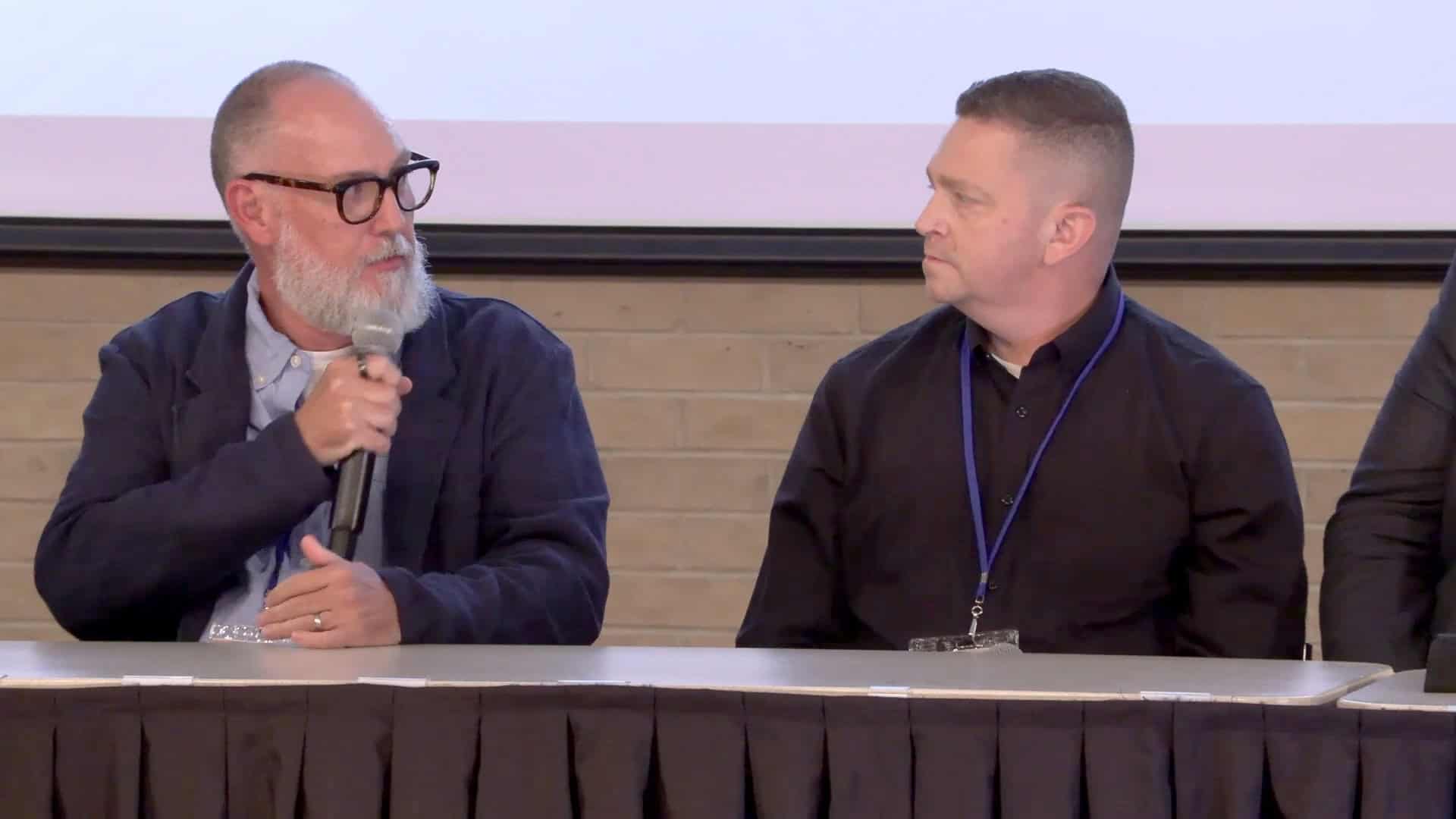
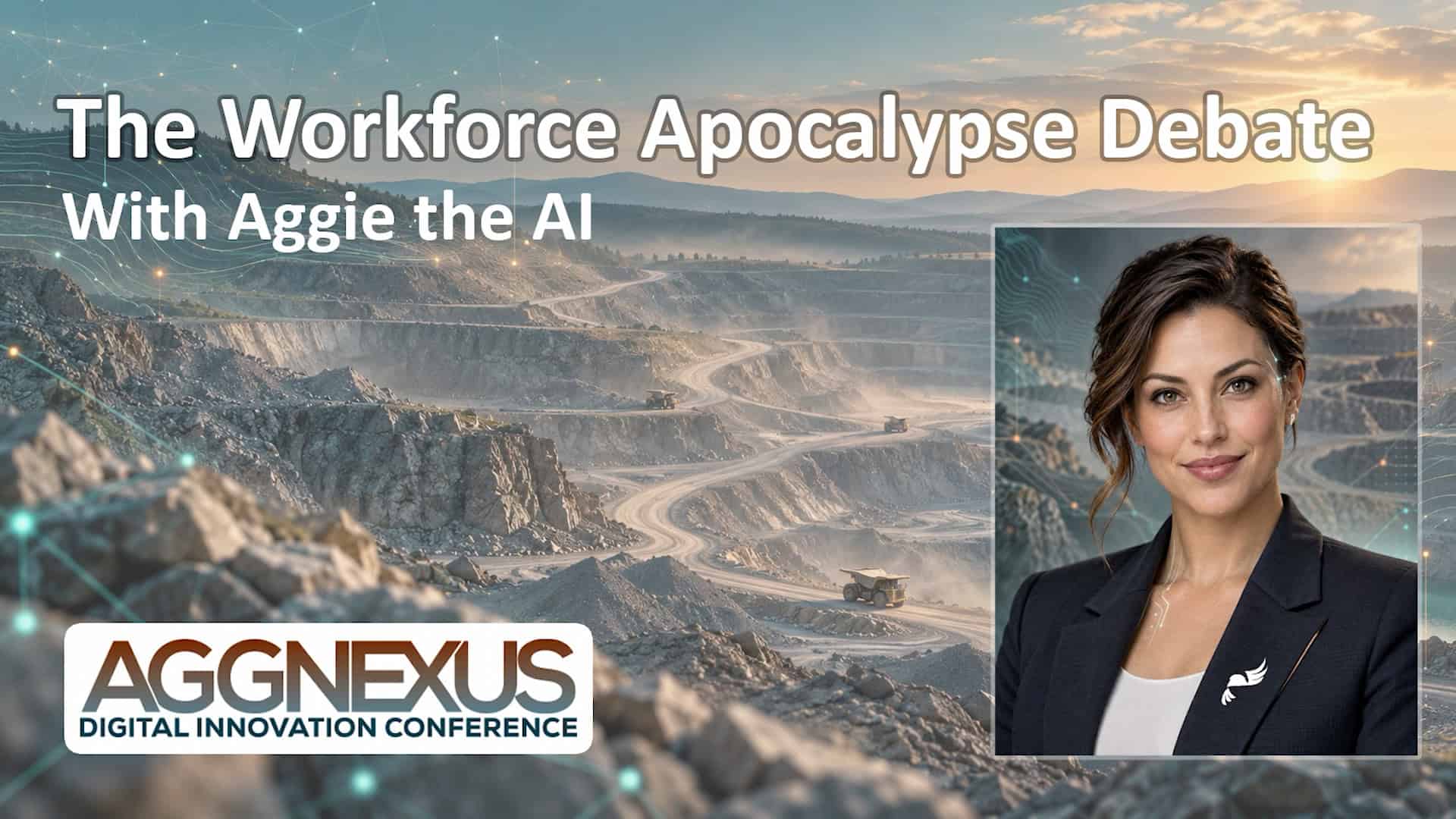
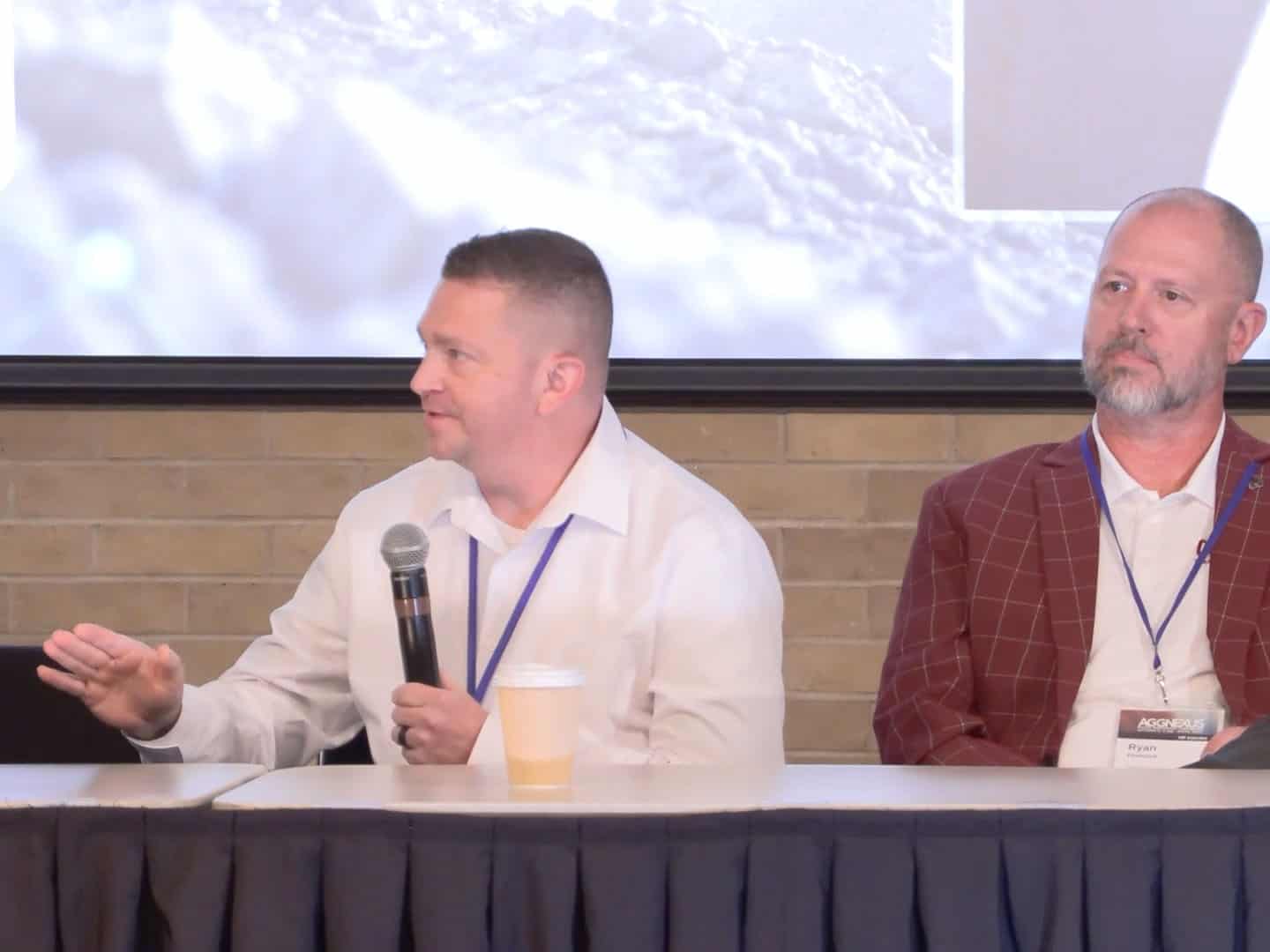
The next day, Bill joined “The Workforce Apocalypse Debate With Aggie the AI,” a discussion about the changing workforce in aggregates and mining.
Despite the provocative title, the session was not a simple argument between experienced workers and younger professionals. It was a conversation about what the industry needs from both.
The discussion included moderator Stuart Burgess; John Paul Koch of the Texas State Concrete Industry Management program; Kelsey Popolizio of Vulcan Materials; Bill Callahan Jr.; Ryan Penlerick of Texas State; additional experienced-side panel perspectives; and Aggie, Burgex’s conversational AI participant.
Experienced employees bring context that does not automatically appear in data. They know how a plant behaves under pressure, which customer commitments are most sensitive, why a dispatcher may make an exception, what a certain maintenance signal could mean, and where a seemingly small change can create larger consequences.
Newer employees bring different strengths: technology fluency, curiosity, fresh expectations, and a willingness to challenge inefficient processes.
The strongest operations will bring those strengths together.
Bill emphasized that AI should be paired with industry education. Younger employees should have room to explore emerging tools, but they also need experienced mentors who can teach them the operating realities behind the data.
Without that grounding, companies can create what Bill described as synthetic technical debt: a system that appears promising but fails quickly because it was built without enough practical industry knowledge.
The better model is an ongoing learning loop.
Experienced people teach the next generation how the operation works. Newer employees use technology and fresh perspective to identify opportunities. Over time, they become experienced leaders who help teach the people who follow them.
That is not a workforce apocalypse. It is a workforce transition that calls for mentorship, challenge, transparency, and a willingness to learn on both sides.
Trust Must Be Earned
Across both sessions, a common principle emerged: technology needs to earn trust.
AI can be confident and wrong. People can be confident and wrong, too. Neither should receive a free pass.
AI should help teams investigate, not ask them to abandon judgment. A useful system should surface the relevant information and let people compare the result against real operating conditions.
That is also why data strategy, interoperability, and cybersecurity matter.
AI depends on data that is reliable, organized, and governed. If information is fragmented across legacy systems, named inconsistently between departments, or trapped in manual workarounds, the output will only be as reliable as the foundation behind it.
The same applies to integrations. As operations connect dispatch, telematics, scale, ERP, maintenance, and other systems, teams need clarity about access, data ownership, security, and how information moves between platforms.
Practical innovation is not only about what a system can do. It is also about whether people can trust it.
Built Around People
AggNexus connected planning, dispatch, telematics, maintenance, scale operations, safety, data, workforce development, and customer service. Each is a different part of the same operational challenge: helping construction-materials teams make better decisions with less friction.
That is why the relationships built at the event mattered as much as the panel discussions.
For Dispatch360, the questions raised at AggNexus are not abstract:
- How quickly can a team see what is happening?
- Can dispatch and fleet data work together instead of living in separate systems?
- Can teams identify exceptions before they affect the customer?
- Can technology help experienced people make their knowledge more accessible across the organization?
- Can operations make smarter decisions without adding more manual work?
The future is not about having more data.
It is about giving good people the right information at the moment it matters.
Thank You
We are grateful to the AggNexus organizers, speakers, panelists, attendees, and industry peers who made the conversations in Austin valuable.
Thank you to Thomas Bergmans, Jeffery Van Grootel, Barry Honig, Håkan Holmgren, Matthew Jetmore, Stuart Burgess, John Paul Koch, Kelsey Popolizio, Ryan Penlerick, Aggie, and the many attendees who contributed thoughtful questions and practical perspectives.
AggNexus 2026 reinforced a belief shared by Dispatch360 and skEYEwatch:
Technology does not replace the people who understand the work.
It helps good people make better decisions with the information they already need.
Continue The Conversation
Our pre-event article asked how practical AI and industry experience could work together in construction-materials operations.
AggNexus gave us a clearer answer: start with a real problem, give people useful information, measure the result, and let technology earn its place in the workflow.
Read our pre-event AggNexus preview.
See how Dispatch360 brings dispatch, fleet visibility, eTicketing, reporting, and operational context together for construction-materials operations.
Director of Marketing
James Harris leads marketing for Dispatch360 and has spent years embedded in the ready-mix concrete, aggregate, and construction materials industry — learning the operational realities that dispatchers, plant managers, and fleet operators deal with every day. He authors The Dispatch Journal, where he covers dispatch te…
Ready to See Dispatch360 in Action?
The best way to understand what Dispatch360 looks like for your operation is to see the actual platform running.