Command Alkon Is Up for Sale Again. Here’s What It Means for You.

Director of Marketing
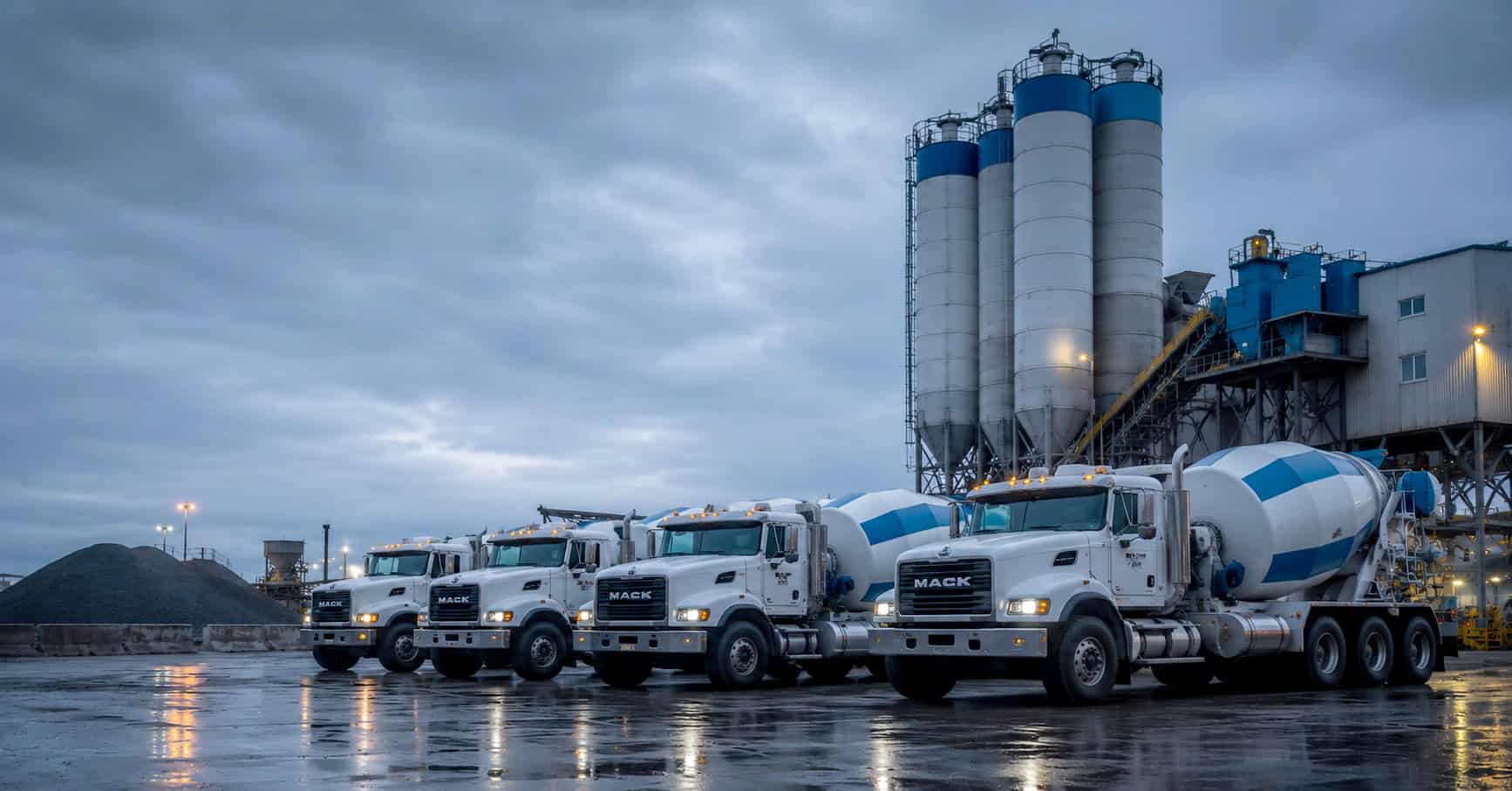
Reuters reported that Thoma Bravo wants to sell its stake in Command Alkon — the software a big chunk of our industry runs on. A sale doesn't break the software overnight. It changes who the software is built for. Here's what producers should watch.
Most producers don't read business news with their morning coffee. You've got orders to fill, trucks to route, and a schedule that falls apart the second it rains. Wall Street deals aren't your problem.
This one might be.
In May, Reuters reported that Thoma Bravo wants to sell its stake in Command Alkon. Thoma Bravo is the investment firm that has owned most of Command Alkon since 2020. Now they've hired bankers to find a buyer, and the deal could value the company at more than $1.5 billion.
If you run a ready-mix, aggregate, asphalt, or block operation on Command Alkon, your first reaction is probably a shrug. Software gets bought and sold. The screens still turn on. Your dispatchers still show up.
But if you've been through one of these before, you know the shrug comes too early. A sale doesn't usually break the software overnight. It changes who the software gets built for.
This Keeps Happening
Command Alkon isn't the only one. Just one month earlier, in April, Thoma Bravo sold off another construction software company — HCSS — in a deal worth about $2.4 billion.
That's two construction software companies sold by the same firm in about a month. That's not bad luck. That's a plan.
Here's the reason, in plain terms. Investors think software built for one industry — like ours — holds its value better right now than general software does. So your tools are being treated like something to buy low and sell high. That's smart business for them. It's a very different thing from a company that wakes up every day thinking about your delivery tickets.
The Part That Should Get Your Attention
The Command Alkon deal has a twist.
Back in 2021, Thoma Bravo sold part of the company to Heidelberg Materials, one of the biggest building materials companies in the world. Heidelberg is also Command Alkon's biggest customer. And Heidelberg plans to keep its piece through any sale.
Read that again. The biggest owner of the software is also the biggest customer.
So when it's time to decide what gets built next — or who gets support first — there's a giant customer sitting at the table. Except they own part of the company and you don't. Whose request do you think gets answered first?
Reuters also reported that this setup is making the company harder to sell. Most buyers want full control, and they can't get it here. So this could drag on for a while. And a long, messy sale means the people running your software are thinking about the deal — not about you.
What Usually Happens After a Sale
To be fair, a sale isn't always bad. New owners bring money, and plenty of them run good companies.
But the pattern is steady enough that producers who've lived it know the signs.
New owners want to prove the company was worth what they paid. So they look for places to cut. Support staff. New features. The product roadmap. Anything that costs money today and pays off later tends to get pushed back.
It rarely comes with a warning. It shows up small. A support ticket that takes longer than it used to. A feature you were promised that keeps slipping. A renewal quote that's higher than last year, with new terms buried in the fine print.
By the time you notice, you're a year and a half in — usually with a software switch already on your plate.
And Command Alkon customers may already be there. The company has confirmed on its own site that it's retiring its Integra system at the end of 2026 and moving everyone over to Command Cloud. A big ownership change on top of a forced software move is a lot to drop on one operations team.
Questions Worth Asking Your Rep
None of this means Command Alkon is going under. Reuters reports the company is making good money and still growing. Survival isn't the question. The question is who they're working for.
When investors own your software company, their job is to make money for the people who backed them. That's not an insult. It's just how it works. But it means the next few years of decisions about your platform get made with a future sale in mind.
So ask your rep a few plain questions — today, while someone still picks up the phone:
- Who owns this software right now, and who will own it in two years?
- If the company gets sold, do my prices and my contract stay the same?
- The people I deal with now — will they still be here?
- What are you building next, and is that promise safe through a sale?
These aren't paranoid questions. When your whole operation runs on one platform, they're just smart ones.
Where We Stand
At Dispatch360, there's no investment firm shopping us around. Nobody's hunting for a buyer while you're trying to run your plant. We're not retiring a product and forcing you to switch. And there's no giant customer who also owns a piece of us and gets to cut the line.
What we've got is a cloud-native dispatch platform built for construction materials producers — built and run by the same people, answering to the producers who use it every day. We decide what to build based on what you need in the yard. Not on what makes us look good to a buyer.
Put simply: we answer to our customers, not a cap table.
We won't pretend switching software is easy. It takes planning, and there's real risk in it. Nobody should rip out a system that works on a whim. So this isn't us telling you to panic.
It's us saying this: while the whole industry is in flux, it's a good time to take an honest look at whether your software is built around your priorities — or somebody else's.
If you've ever wondered what that looks like, we'd be glad to show you. No pressure, no song and dance. Just a straight look at the fit.
Because if the last month of headlines tells you anything, it's that your current vendor is busy asking the very same question about itself.
Sources: Milana Vinn, "Thoma Bravo Eyes Stake Sale in Command Alkon," Reuters, May 14, 2026 · "Nemetschek to Buy HCSS for $2.4B," Engineering News-Record, April 15, 2026 · Command Alkon — "Ready Mix Dispatch: Prepare for Integra End of Support."
Curious what Dispatch360 looks like without the ownership drama? Request a Demo or Talk to an Expert.
Director of Marketing
James Harris leads marketing for Dispatch360 and has spent years embedded in the ready-mix concrete, aggregate, and construction materials industry — learning the operational realities that dispatchers, plant managers, and fleet operators deal with every day. He authors The Dispatch Journal, where he covers dispatch te…
Ready to See Dispatch360 in Action?
The best way to understand what Dispatch360 looks like for your operation is to see the actual platform running.